In this auspicious occasion, we are delighted to delve into the intriguing topic related to Months with Five Weeks in 2025: A Comprehensive Overview. Let’s weave interesting information and offer fresh perspectives to the readers.
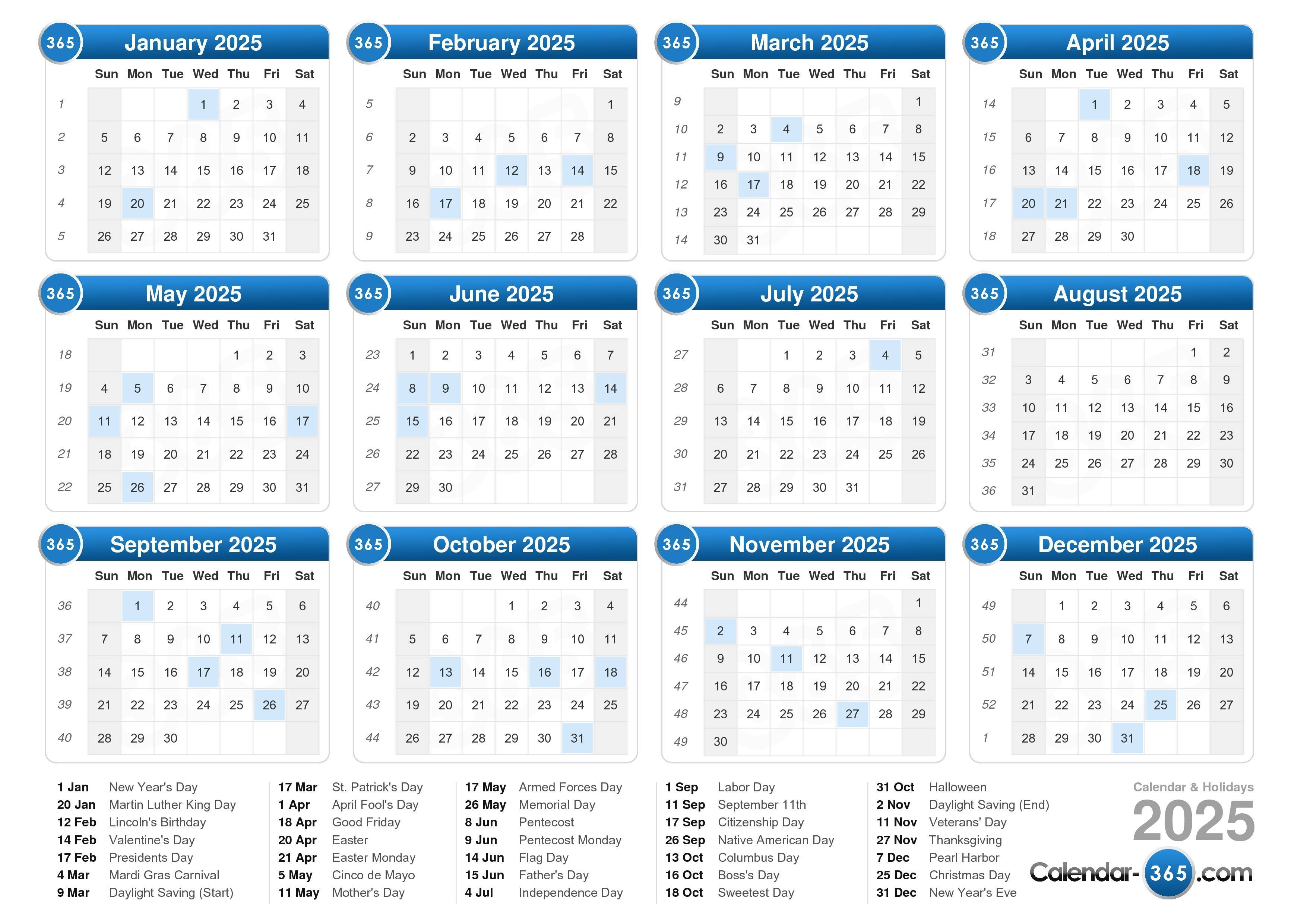

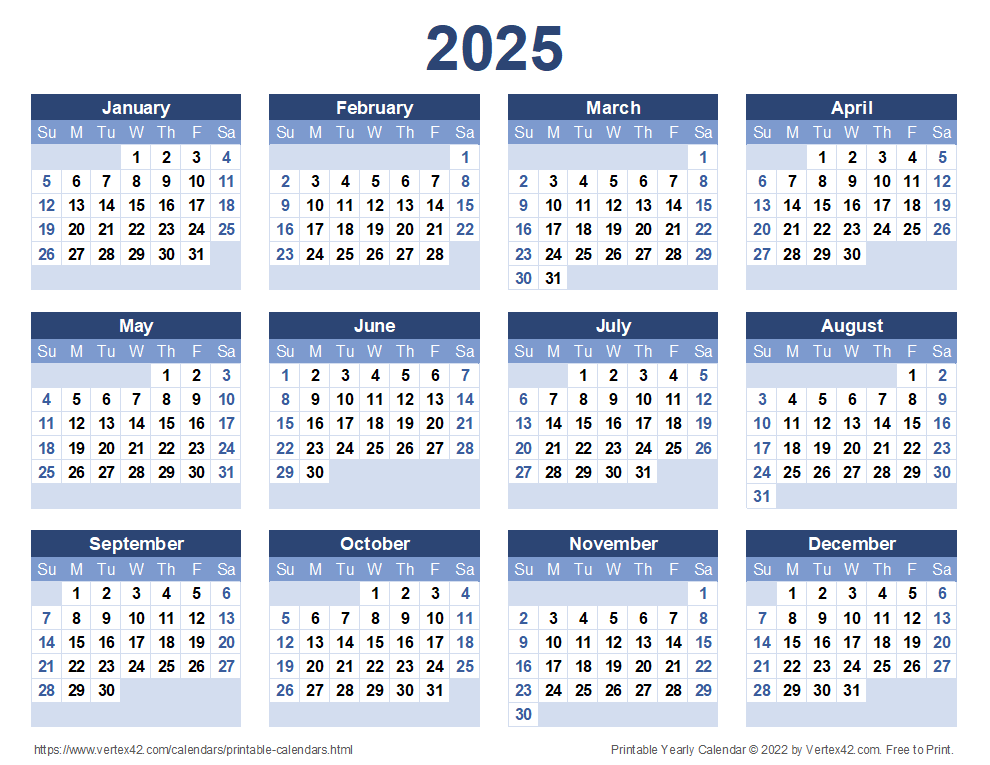
The Gregorian calendar, which is the most widely used calendar system in the world, consists of 12 months, each with either 28, 29, 30, or 31 days. In most years, each month has four complete weeks, with the exception of February, which has either 28 or 29 days depending on whether the year is a leap year. However, there are certain years when a month can have five complete weeks. These years are known as "months with five weeks."
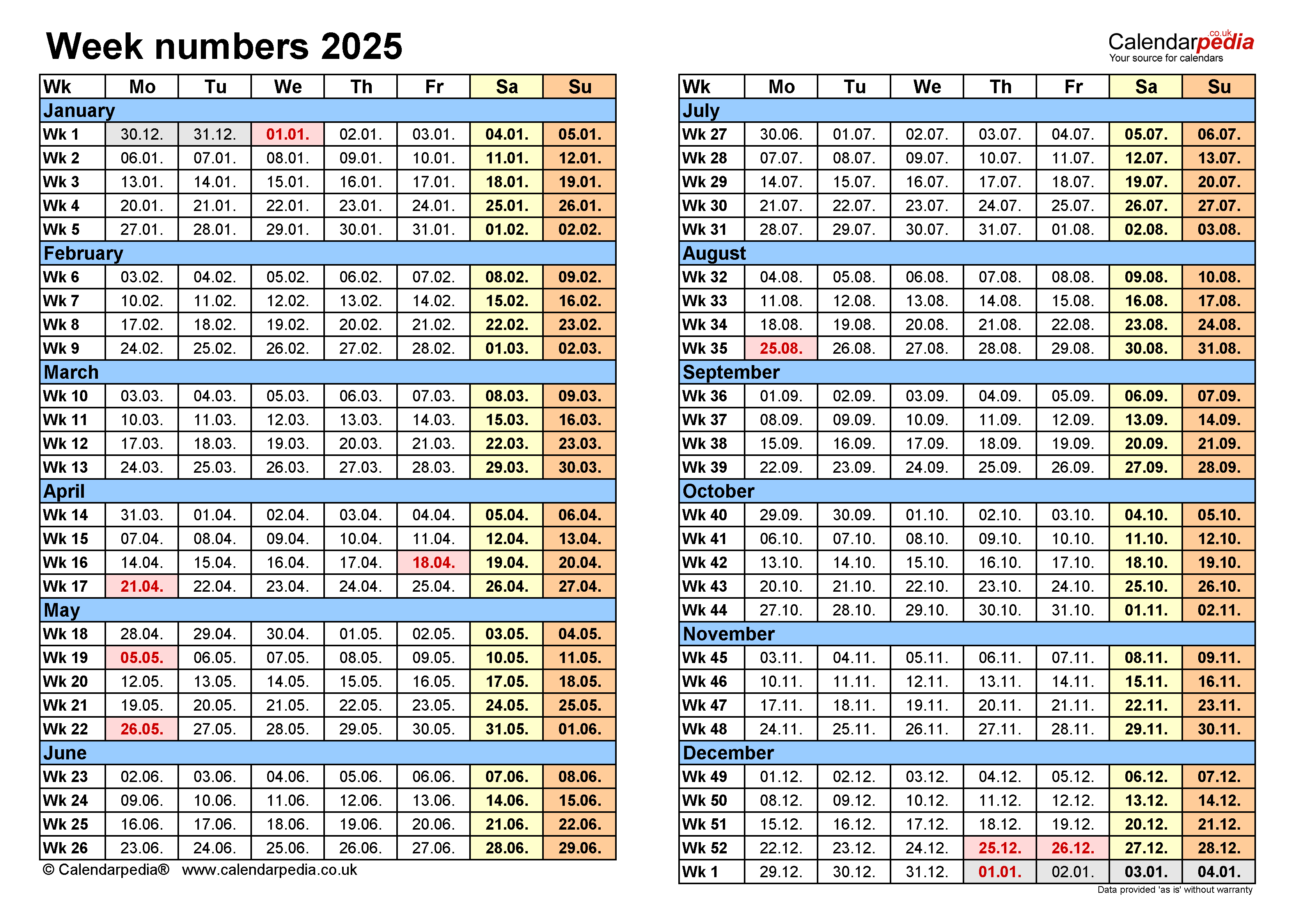
The concept of months with five weeks arises from the fact that the length of a month is not always divisible by seven, the number of days in a week. As a result, there are certain months that have an extra day or two that cannot fit into four complete weeks. These extra days spill over into the following week, creating a month with five weeks.
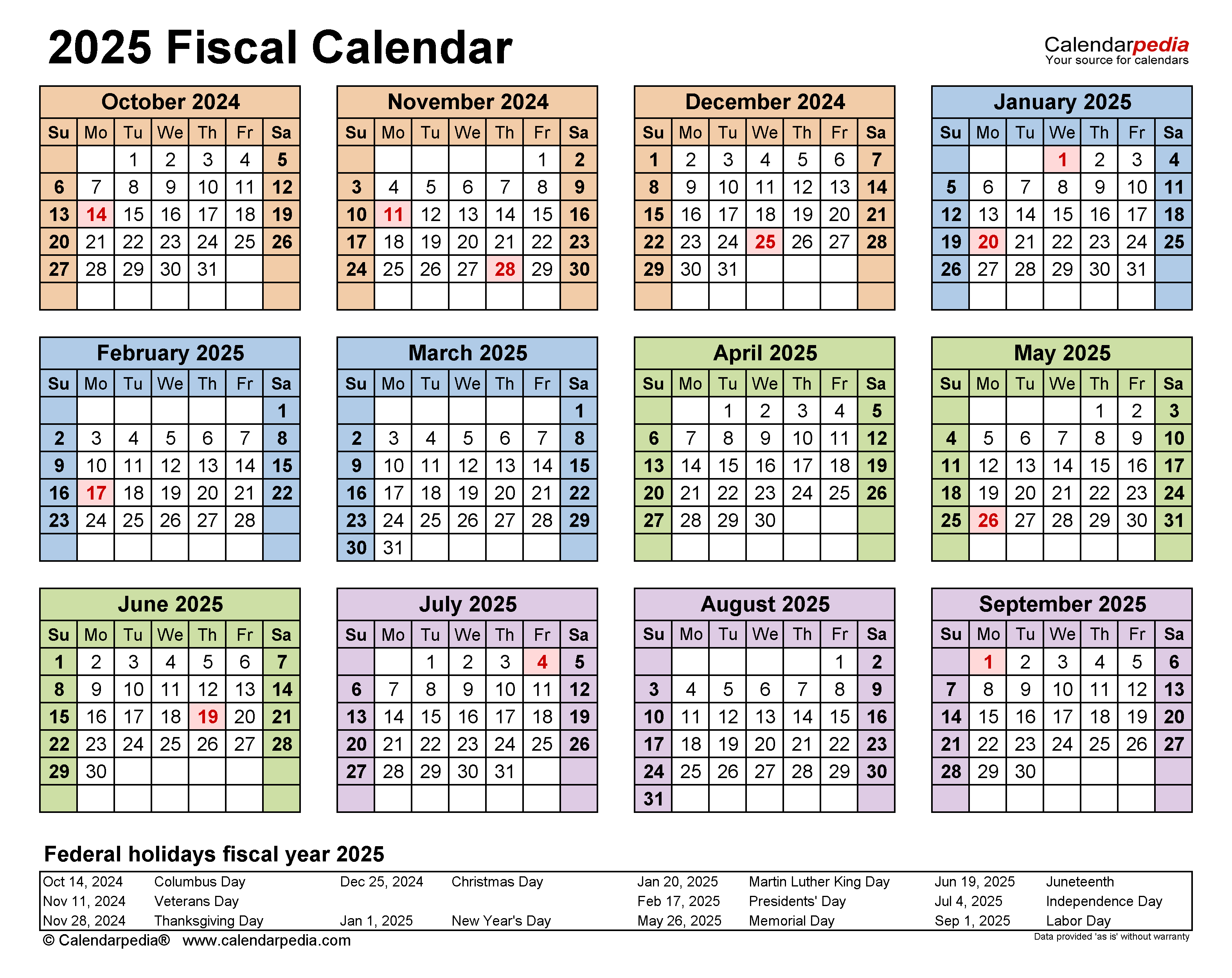
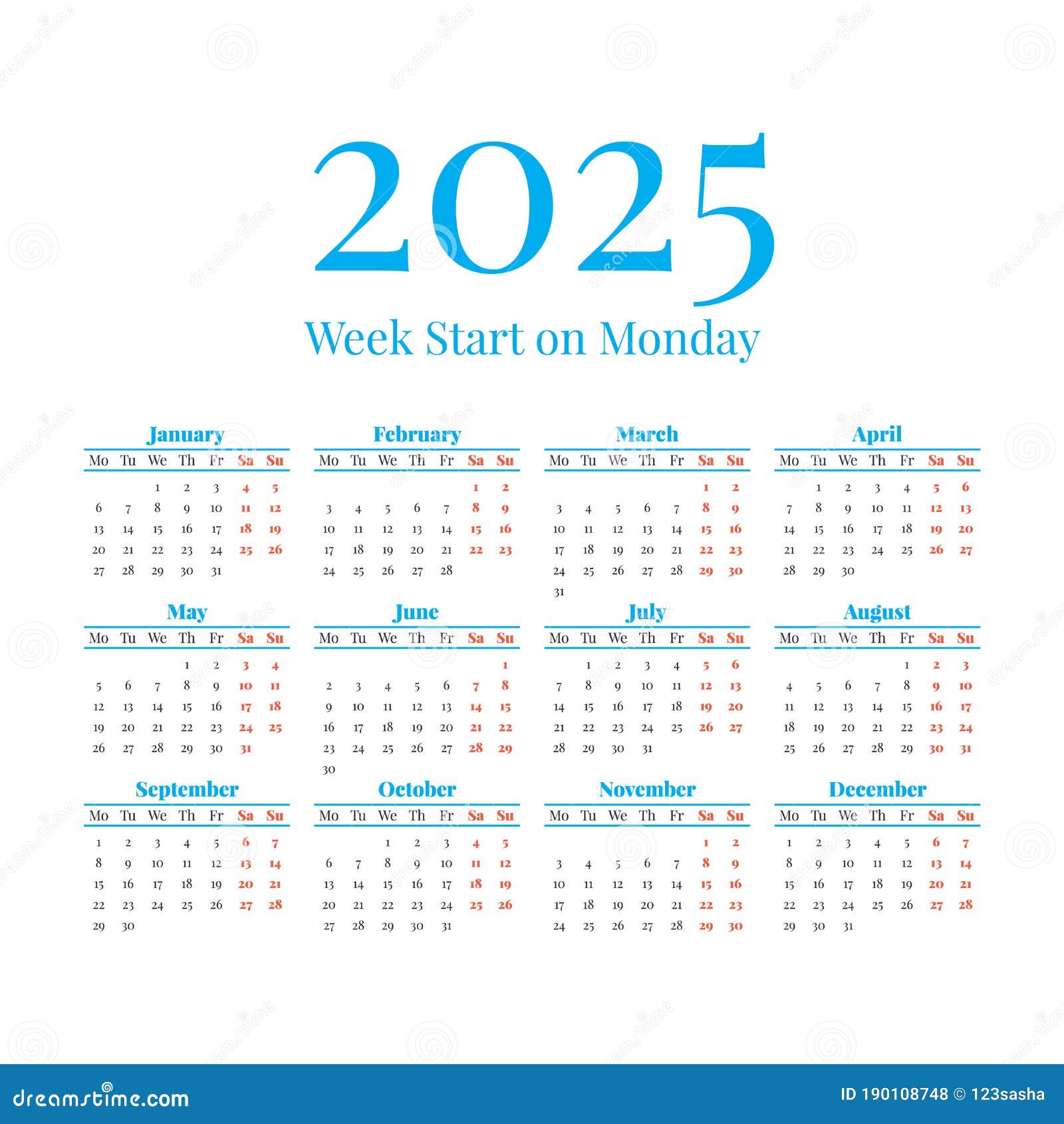
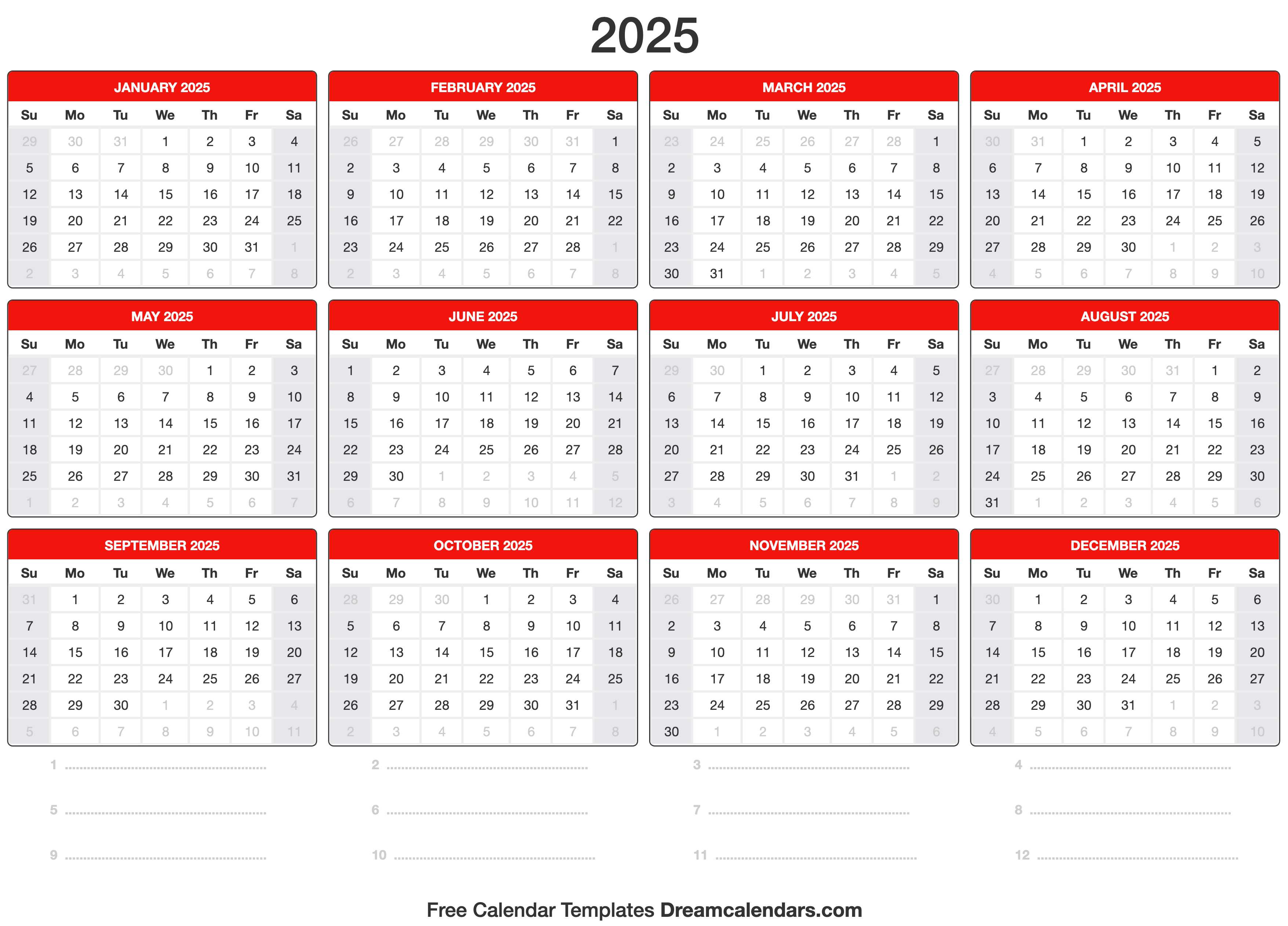
Months with five weeks are a natural occurrence in the Gregorian calendar system. In 2025, three months will have five weeks: January, March, and July. Understanding the concept of months with five weeks and their potential implications is essential for effective scheduling, time management, and planning in various aspects of life.


Thus, we hope this article has provided valuable insights into Months with Five Weeks in 2025: A Comprehensive Overview. We hope you find this article informative and beneficial. See you in our next article!
